Google Rating
5 This page will be updated without notice.
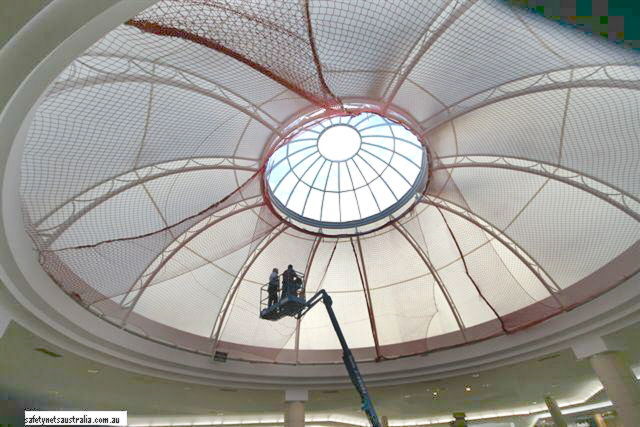
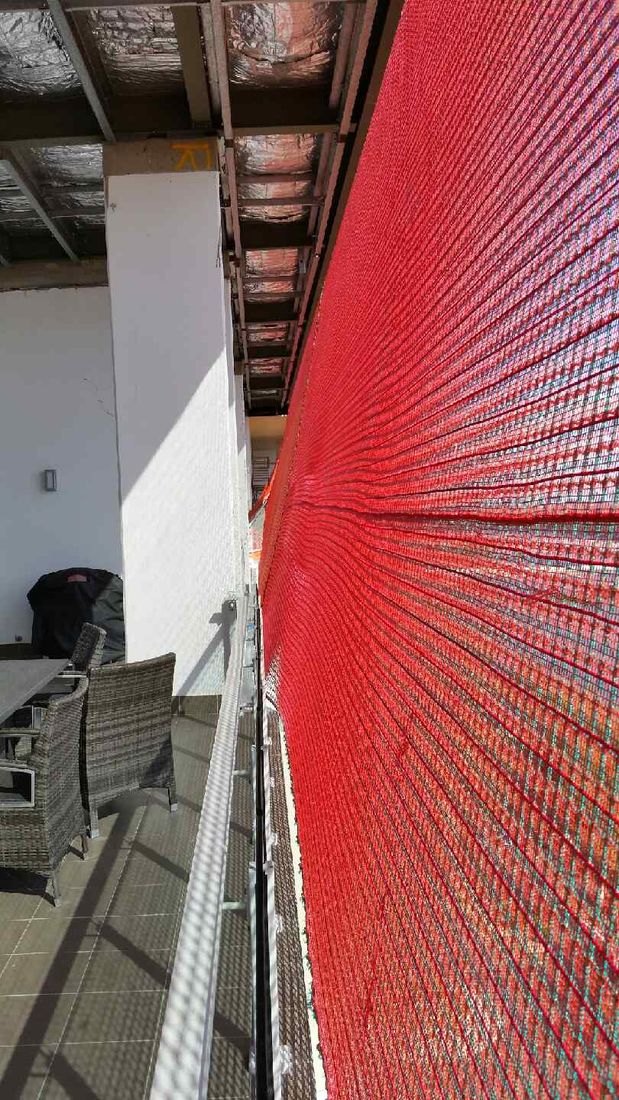
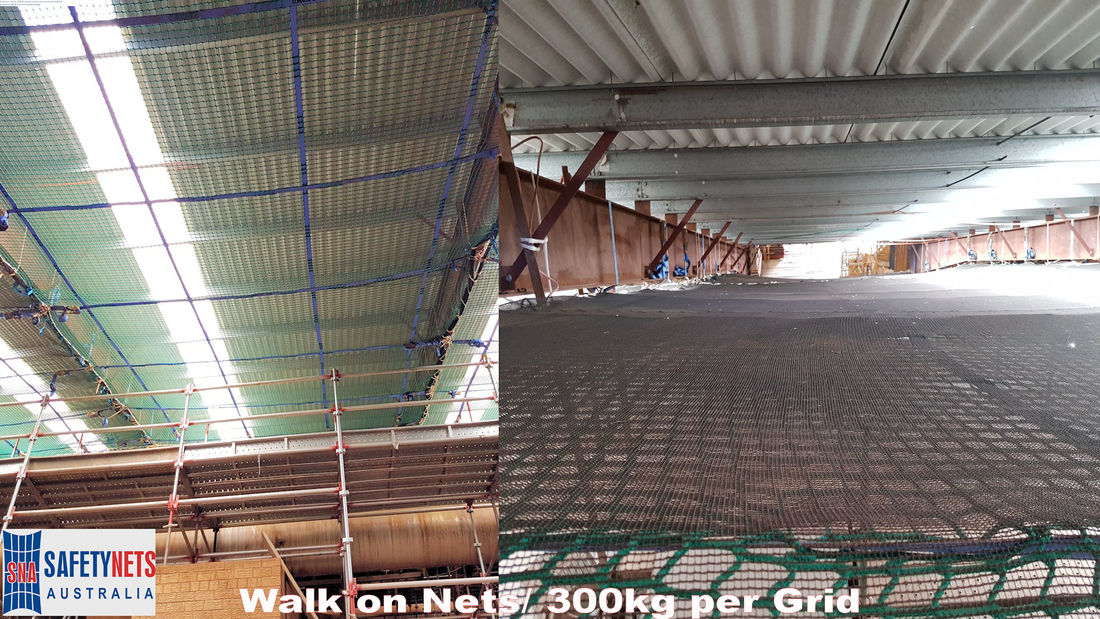
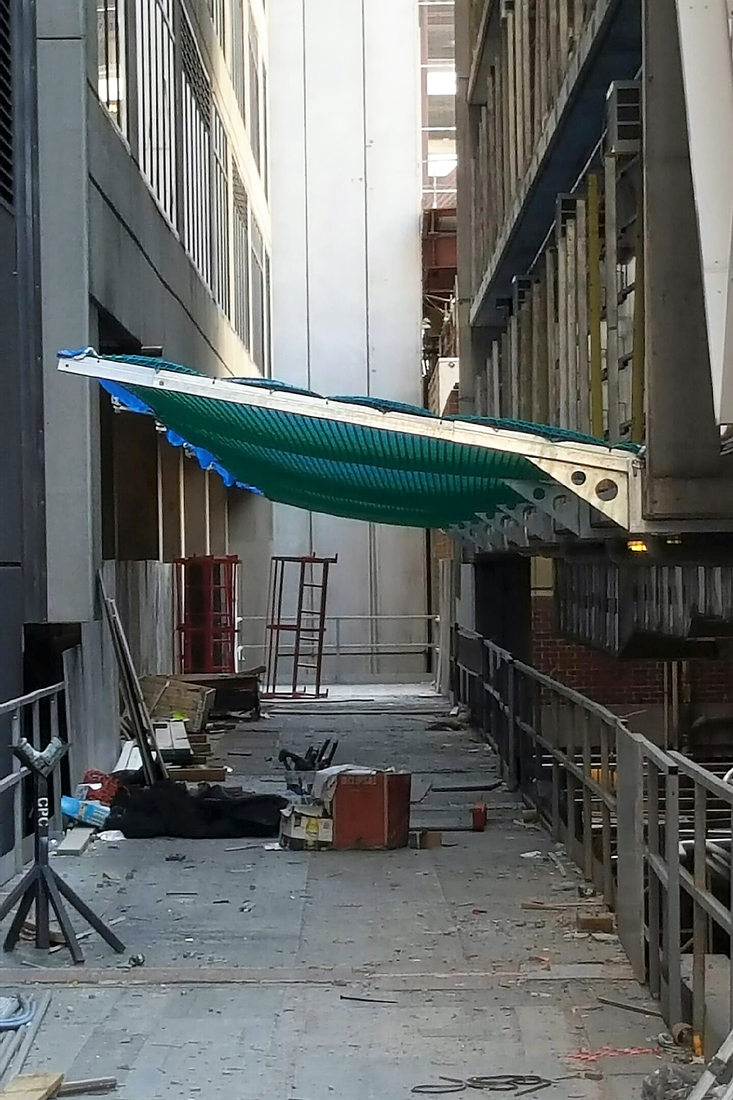
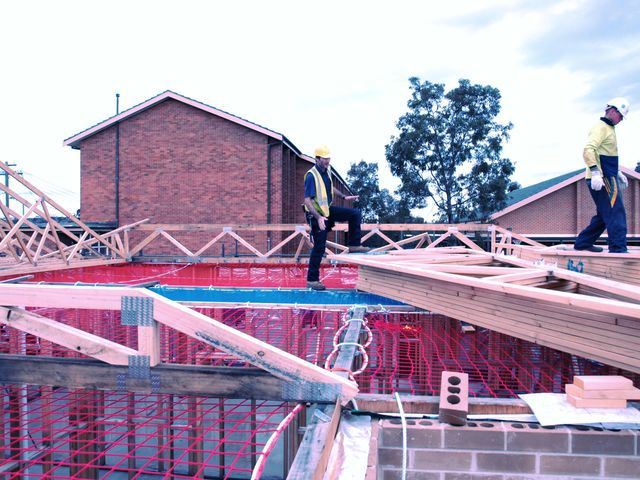
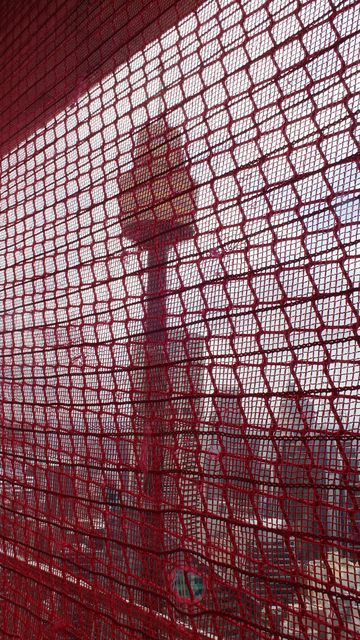
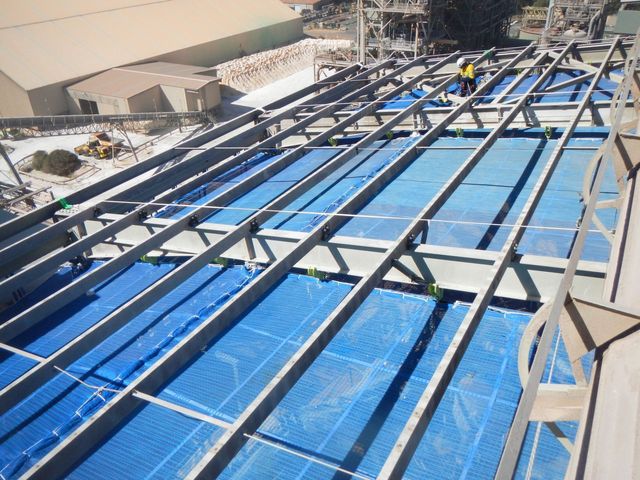
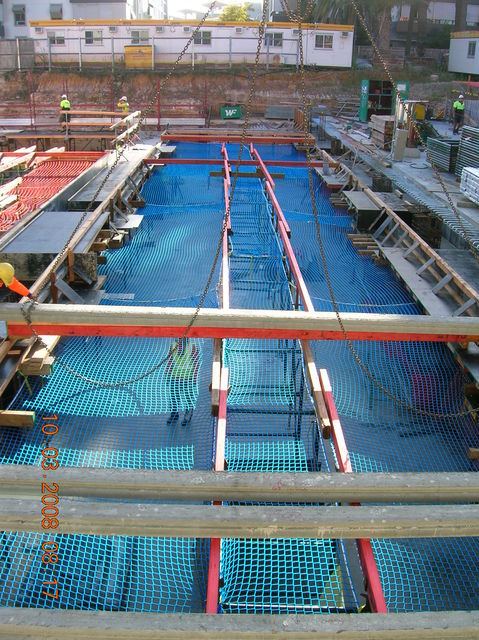
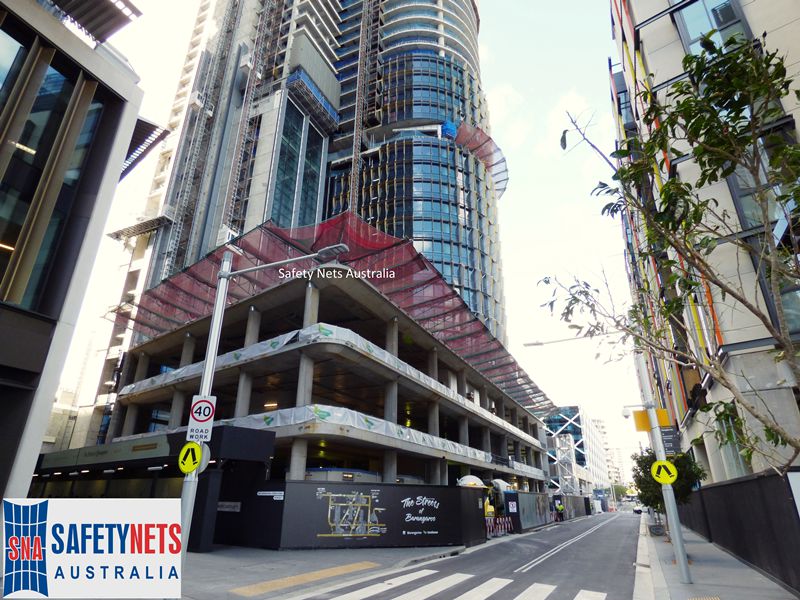
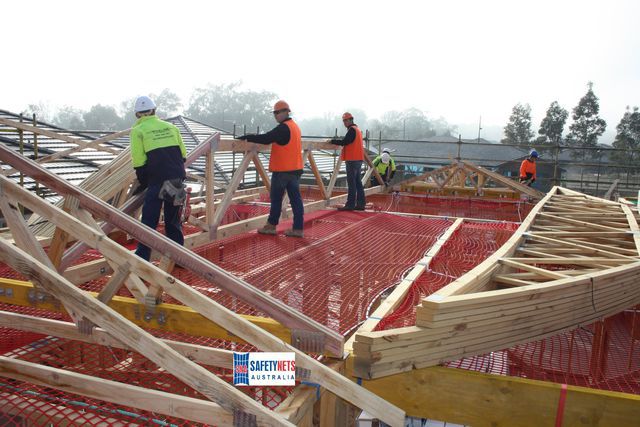
1. What is Netting or Safety Netting? | Netting is a collection of intertwined knotless webbing that forms grid system to make up the Safety net. There few types of netting systems available, Knotless and Knotted, come in either diamond shape or square shape. The Rated Safety Nets must be as per specification below and are used to protect Personnel and Falling objects without failing. Importantly are manufactured to ES/BS1263-1:2002: The other type of non rated nets are used for other application i.e Protection netting, racking nets, birding netting. The safety nets form part of the control measures and it is practical solutions to problems when working at height. Safety nets offer protection to and for workers (such as a fall arrest) and public safety (such as catching debris above walkways) when working at heights. Overall, Safety Netting is used primarily when working at heights to save lives! |
2. Safety Net Specification? | For Safety Netting Conformity and specification Label: Each Net must be manufactured to and in accordance with ES/BS1263-1:2002.
|
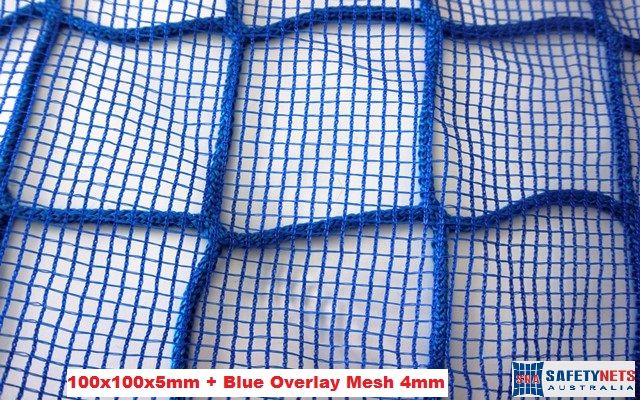
3. General Characteristics | Diameter: 5mm | Density: 0.91 | Weight: 128grams/m2 (100mm mesh) |
4. How do Safety Nets Work? | The Safety Netting fall arrest works by absorbing the energy created during the fall, the intertwined meshes are released slowly through the cords system in the nets and therefore, having the correct sag and fall height is very critical part of installation for the nets to able to adhere to conditions. Standards: BS EN 1263-1, 1263-2 (2002), ASNZ4576, ISO9001:2008 Guideline: Safety Nets Installation and Training Manual In Australia, it is in the WHS-2011 Act, Safe Work Australia , AS/NZS 4576-1995 (appendix 'f')it is Performance based approach when working at heights, and while still relying on the ISO9001:2008, British and European Standards |
5. Why install Safety Nets? | It is another form of fall arrest system that has many benefits and apart from delivering a low cost (reuse) and time saving system, it is also part of the solution when working at heights. |
6. Are the manufactures/ suppliers responsible for instruction and installation? | To ensure manufacturers and suppliers are in compliance with WH&S 2011 Act and duty of care, the onus is on suppliers and manufacturers to supply instructions and guidance of the product. i.e. must provide training and Instructions/ Information as part of the order. |
7. Who Can Install Safety Nets and Inspect Installation? |
|
8. Can Installation and Inspection Process affect Safety onsite? | The handover process provides a professional protection and accountability through correct hand over documentations and Net Inspection follows the Installations of Safety Nets has been completed to meet Legislative requirements and guidelines.
|
10.Emergency Response Procedure | If Safety Nets are part of the application onsite then it is a 'must' to have Emergency Response procedure onsite, aiding the Site Emergency Plan** |
11.Is the Annual 'UV' testing important? | As Safety Nets are installed in the open environment with exposure to the Sun and the Safety Net materials are created from Polypropylene and Nylon which is/are less resistance to UV light which can damage the mesh integrity. Every Safety Net manufactured to BS1263-1, has three test mesh attached to corner and every year or no more than 12 month periods a test mesh will be taken off and send for testing in accordance with ISO 1806 and this test must be recorded as proof of evidence that nets can remain in services for next 12 months. If the Test mesh fail, this net must be removed from services as the mesh has started to be weakened. Best way to check is the discolouration of mesh/twines of net. At Safety Nets Australia we provide this services. |
12. What is the desired life of a net? | The working life of a Safety Net is based on the task of the application, location, the energy absorption and integrity can affect and reduce the age of Safety net. But in most cases the shelf life of Safety Net is 5 years. |
13. Storage of Safety Netting | Net(s) should be always stored in open dry conditions, and stored away from Sun light, chemicals and heat. |
14. Installed Safety Net should have a Clearance Factor | While there number of factors/ elements effects the clearance, will mention just a few. It is important to ensure that there is sufficient space (clearance) below the safety net to allow to deflect under arrest without striking a hazard, but in the normal course of installation of suspended nets it 3.0m high. However, Span plays a major factor and so does the fall(how high). Safety Nets Fall arrest system designed to withstand 6m fall, however in Australia, best practice not more than 2.0m and we recommend the nets be installed as closed as possible to working deck. Planning is another important Factor :Fall arrest VS Prevention as Safety nets can do either pending on size of the net and intended application** 14a. Sound Supporting Structure and Anchor Points required when suspending Safety Netting onto in place. Fixing Device(s) must be 6kn (for the Corners) and 4kn for the adjacent fixing points. The safety netting fixing system are based on multi point fixing and shared connections rather than Single point connection. |
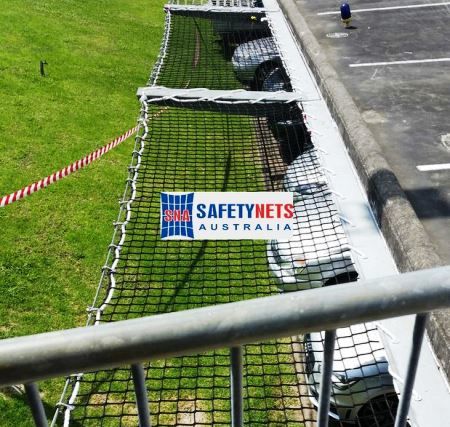
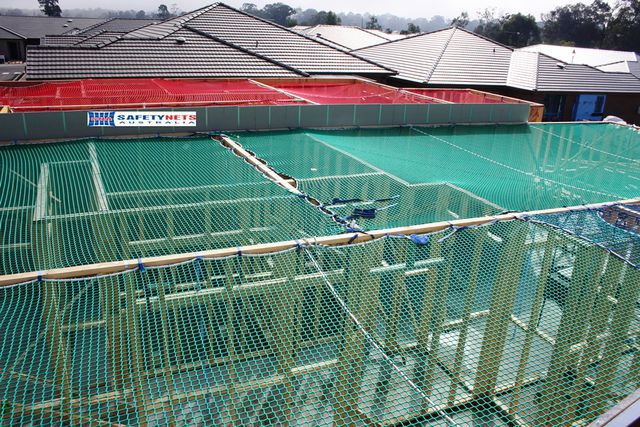
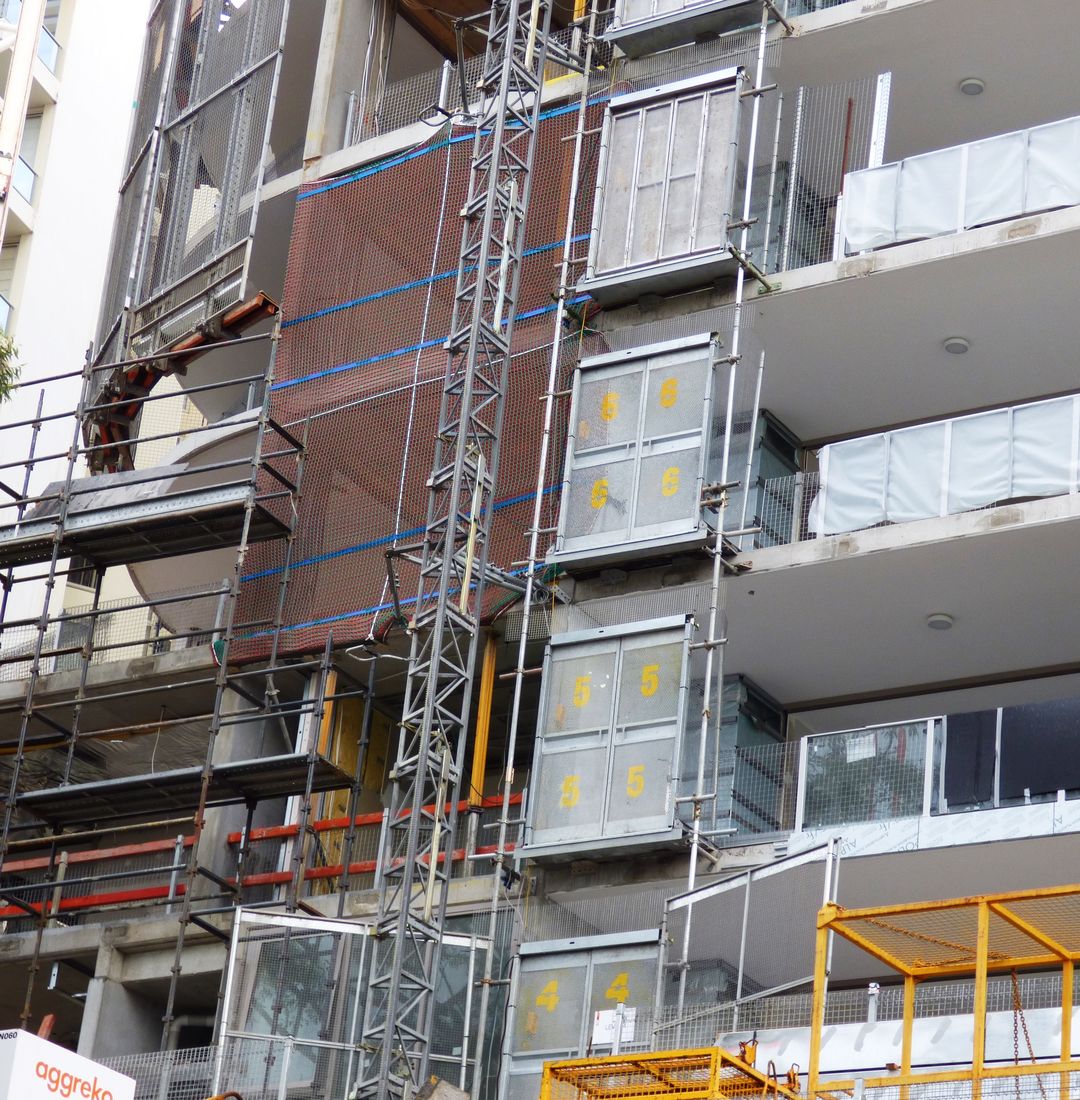
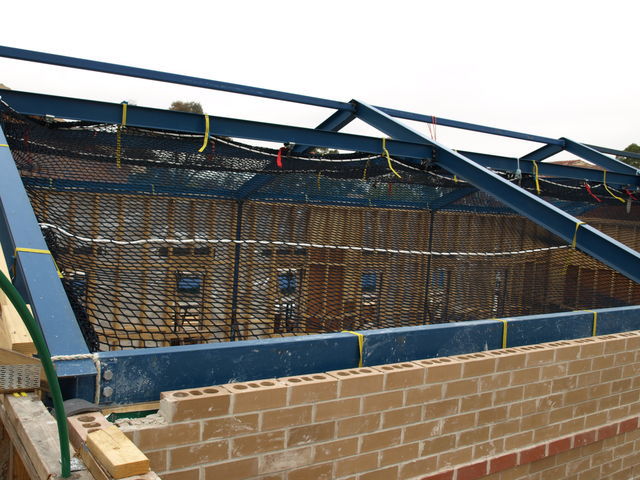
15. Intended Applications and Best Use! | Safety Nets are the most efficient and cost effective fall prevention barrier for many different applications:
|
16. What can go wrong with Safety Net Installations? |
|
Working At Heights- NEW WHS 2011ACT/ OHS Requirements- Safe Work AustraliaNSW WORKCOVER -Managing Risk Falls at Workplace. | An employer (PCBU)must ensure that risks associated with falling objects are controlled by use of the following measures: (a) provision of safe means of raising and lowering plant, materials and debris in the place of work, (b) provision of a secure physical barrier to prevent objects falling freely from buildings or structures in or in the vicinity of the place of work, (c) if it is not possible to provide a secure physical barrier, provision of measures to arrest the fall of objects, (d) provision of appropriate personal protective equipment. Safety Nets Australia net systems fully comply with these provisions. LINKS: Safe Work Australia www.safeworkaustralia.gov.au/Legislation/Pages/ModelWHSLegislation.aspx Worksafe NSW: WorkSafe Victoria : www.worksafe.vic.gov.au/wps/wcm/connect/wsinternet/WorkSafe/SiteTools/Help/error_404? WorkSafe NT http://www.worksafe.nt.gov.au/ WorkSafe SA WorkSafe WA **for additional reading see our 'Safety Nets Installation Manual' which you can buy from us. Queensland http://www.deir.qld.gov.au/workplace/business/construction/majorhazards/height/index.htm |
We maintain a strict "No-Spam" policy - meaning that we do not intend to sell, rent, or otherwise give your e-mail address to a third-party - full stop! Under no circumstances will your privacy be abused.
In addition, we will not send you email that you have not agreed to receive, or unless you specifically request a response from us. All emails received by us are deleted within of receipt (for such security purposes).
This page informs you of our disclaimer for the whole of the Safety Nets Australia Pty Ltd web site.
The information contained on this site is only intended to provide a summary and general overview on matters of interest.
The information is not intended to be comprehensive.
Before acting on any of the information contained on this site you should discuss your individual site issues with our consultants (see our Contact Page).
Access to our site, or any transmission/receipt of information to or from this site, is not intended to create (nor does it constitute) a provider/client relationship between you and Safety Nets Australia Pty Ltd.
Conditions of Sale:
1) Order(s) must be confirmed and signed off.
1a. A deposits 30% of the Amount / Purchase order
2b Balance must paid prior to Delivery
3. Default account(s) will automatically be placed on hold after 2 months or Day 60.
4. Interest will be charged on any late payment, at a rate equal to 12% above our current overdraft rate
5. I agree and understand that by placing an order with SAFETY NETS AUSTRALIA PTY LTD, Retention of Title on the goods
supplied, remain the property of Safety Nets Australia under the Personal Property Securities Act 2018 until full payment
has been made.
a. Invoices are claimed under the Building and Construction Industry Security of Payment Act 1999 enacted in
various State of Australia.
b. While SNA will provide the correct product as ordered and fault free as required by the order stated on the invoice
6. The Customer/ Client shall be liable for all costs in the event of redirected delivery
7. All Safety Nets Australia Products (Safety Net) and Intended Application(s) are to be Installed by Trained and Competent
person(s) and as prescribe in Safety Nets Installation and Training Manual, AS1576 and Basic Riggers and Scaffolders requisite.
| 7.1 7.2 | As per Safe Work Method Statement / Safe Work Procedure Handover documents as per Safety Nets Australia Installation Manual and Manufactures Guidelines and BS EN1263-1-2 (2014) It is recommended that daily Visual Inspection be carried out before and after the application to ensure of no tempering with Netting system Safety Net(s) must not come into contact with any hot works Safety Net(s) when not in use must be kept away from sunlight and stored away For continued Compliance Maintain the Annual ‘UV’ Testing and Tagging For Further Manufactures information are in “Safety Nets Installation and Training Manual |
| 7.3 | |
| 7.4 7.5 7.6 7.7 |
Protection Netting must be installed as per Site Specific, Guideline, SWOP, SWMS and for the intended application.
Intended application: Laydown Hammock / Reading hammock / Loft net only.
To enjoy and maintain safe product there are Rules, Obligation and Responsibility that you must be aware of.
Be aware that you are positioned above certain height.
This product may be not suited if you fear being at height.
Prior to Installation that you have researched, understood the product, and have received advice from Design Engineer, Manufactures, and Suppliers.
Always ensure the structure to which the hammock net/ loft net is attached can support the load.
Do not proceed with either purchase or installation until Engineers advice is in place or expert advice is/are in place if you are unsure, Stop and Seek expert advice or call us for further details. Do not attempt to install without expert advice in place.
Once the net is in position at the four corners and fixed with lashing rope around the perimeter of structure safely
Make sure the Installer’s provide you a hand over document that the hammock in place is installed/ rigged as per design and guidelines and signed off.
Now, you are ready, and it is safe to get into the hammock net/loft net. Move slowly and lay down.
Do not allow anyone to jump in the net like a trampoline or take short cuts across the hammock net, strictly No jumping on the hammock net and not to be used as trampoline.
Do not overload Hammock net/loft net and must always stay with safe working load and as per design.
Do not and must not allow the mesh/ cords of the net to come across sharp edges.
Avoid dragging items over the net with rough surfaces
Never stack materials on or over the hammock net.
No throwing objects onto Hammock net
Do not allow debris to accumulate in or on the Hammock net
Do not allow a hammock net to be exposed to hot work such as flame or spark producing operations.
Do not allow any unauthorised person to interfere with any part of the net and its assembly.
After number of uses, the cords / meshes will stretch and will require retensioning and this will bring the edge of net closer to the eyelets/ structure. Pull the lashing rope along the net and move the loose end of the rope towards the corners and tension in place and fix at the corners. It is recommended that you seek professional help in the event you cannot retention the net safely.
To maintain safe product, you have an obligation for ongoing visual inspection, check for damage before and after use. If twine, cord, mesh is/are damaged do not use the hammock net under conditions and report to Supplier/ manufacture immediately for instructions or seek expert advice for repairs.
Life spans of hammock net’s is up to 5 years and will depend on how well it is maintained and managed
Product Warranty 2 years from manufacturing date.
As added measure you can install a secondary net below the hammock net as fall arrest.
Failing to follow the above will void the product and warranty of the product.
SNA will provide the correct product as ordered and fault free as required by the order and shall not be liable for any indirect damages due to this general condition, loss to equipment, or loss of service, loss of profit, damages or costs that could be incurred. The Customer has sole responsibility for the selection and purchase of a Safety net product with continued Maintenance/ Visual Inspection whilst in use or in place. Should it be impossible to use the Safety net products fully or in part, particularly due to equipment incompatibility, there shall be no compensation, reimbursement, except in the event of proven hidden defects, non-conformity, faulty product, or exercise of the right to cancel within 7 days.
Indemnity. Customer/ CLIENT// shall indemnify Safety Nets Australia Pty Ltd against, and hold Safety Nets Australia Pty Ltd harmless from, any and all claims, actions, suits, proceedings, costs, expenses, damages, and liabilities, including reasonable attorney's fees and costs, arising out of, connected with, or resulting from Client's use of the Safety Nets and Fixing Devices, including without limitation the manufacture, selection, possession, use, operation, or return of the Safety Nets and Fixing Devices.
Additional information is available on the Safety nets Australia website or email us:
sales@safetynetsaustralia.com.au
Specification:
Safety netting 45x45x5mm / Breaking Strain 330kg per square mesh
Safety netting 100x100x5mm / Breaking Strain 220kg per square mesh
Safety Netting 60x60x5mm/ Breaking Strain 220kg per square mesh
Safety Netting- Nylon 70x70x6mm / breaking Strain 400kg per square mesh
Certified to EN1261-2014 Certified to ANNZ_S:4389
Safety Nets Australia www.safetynetsaustralia.com.au
V3/2022
Terms may be updated without notice.
Remember - safety nets save lives. They prevent fatalities and serious accidents when working at heights, and also prevent the fall of a lot of debris onto the site below